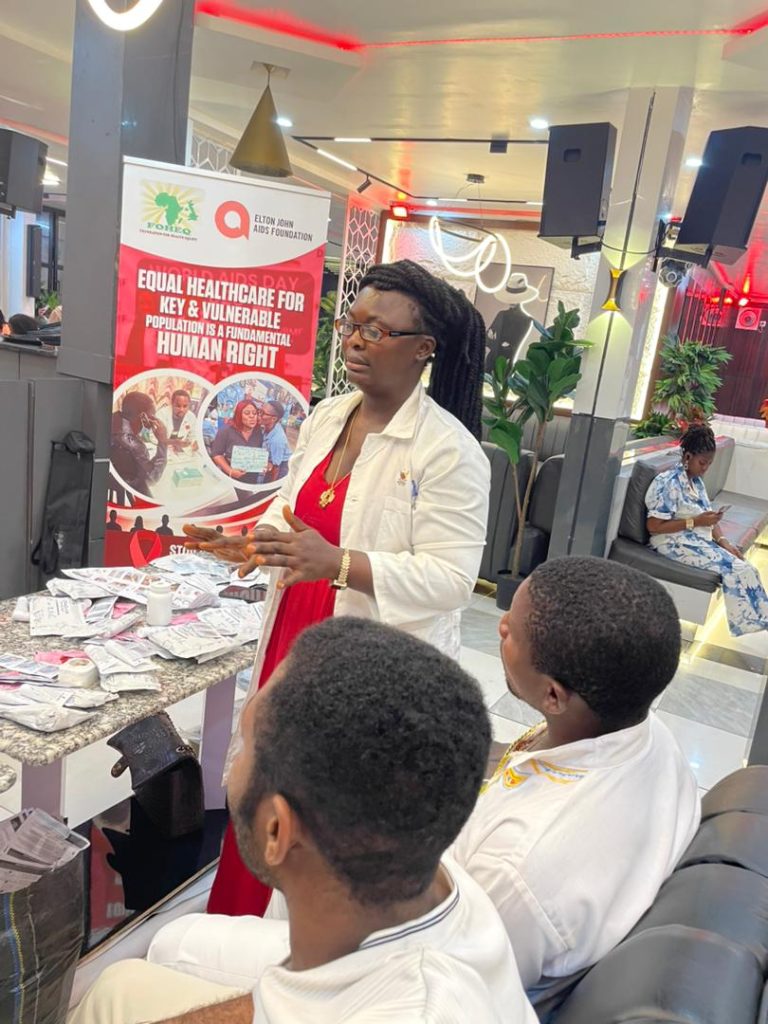
Health Equity for Marginalised Communities: Access to quality healthcare should...
Read More
Health Equity for Marginalised Communities: Access to quality healthcare should...
Read MoreLets break it down
Microenterprise Models: This is an important tool for incentivizing the uptake of HIV, sexual and reproductive health and behaviour change. In the broadest sense, a microenterprise is any small business. In the context of social enterprise, microenterprise empowers, high-risk groups and other vulnerable groups with skills training to decrease sexual risk. Given the known structural links between poverty and sexual risk, a microenterprise is being extended to these groups. Microenterprises could take the form of community-based organizations directly selling rapid, point-of-care HIV and syphilis tests to most at-risk populations. The growing capacity of community-based organizations to move beyond transient counselling and prevention activities to deliver sustainable, trusted, and culturally appropriate services demonstrates the advantages of this new approach. While traditional public health programs have focused on placing these tests in clinics, a growing body of evidence shows how these tests can be accurately and safely performed in nonclinical settings. For example, a community-based effort to expand point-of-care HIV testing among a subset of MSM could generate revenues that are reinvested into the program. Moving point-of-care diagnostics away from clinics and into nongovernmental organizations, sex venues, and other informal settings (outside of the dominant approach) is innovative and potentially a game changer in the uptake and utilisation of HIV services in marginalised communities.
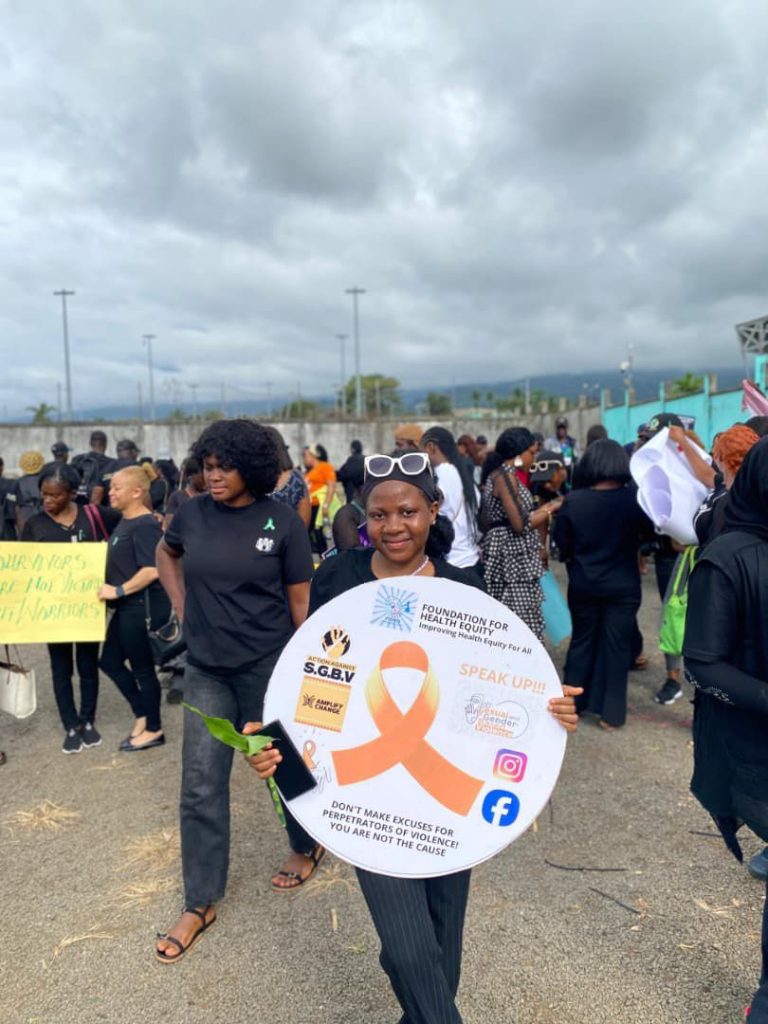
Establishing community-based clinics/pharmacies in disadvantaged communities to strengthen HIV prevention especially targeting marginalised and vulnerable groups. Linking services to government health centres will increase private sector involvement in HIV service delivery and financial sustainability away from one-off donor-funded programmes. Piloted examples in Asia have enabled people living with HIV and other high-risk groups to establish social enterprise clinics and pharmacies.
Establishing clinics/HIV hubs in selected towns, regions, and countries to accelerate HIV prevention and treatment targeting marginalised and high-risk groups. This will serve as a one-stop point of service providing integrated and tailored HIV testing, ART, PrEP, PEP, and STI services. These clinics can expand their offerings to a wider range of HIV High-risk groups–preferred services, including STIs, viral hepatitis, tuberculosis, mental health care internalised stigma, condoms sales/supply, HIV self-testing, lubricants, syringes, rapid diagnostic tests ART and tailored prescription services.
Funding targeted multisectoral livelihoods programmes to HIV high-risk populations and groups in specific country/countries. Training, capacity building and linkages to markets will foster profitable economic/livelihood interventions in exchange for safe sexual practices, behaviours, and adherence to treatments. These may include sex workers, vulnerable adolescents and young women and men, PLHIV and KPs etc. Beneficiary groups can access financial credits, operate savings schemes, and must reinvest part of the profit for HIV prevention and treatment, administered by the US. UNAIDS and PEPFAR are currently piloting this initiative in some countries.
Funding income and livelihood programmes for Key Populations in exchange for safe sex practices, adherence, and retention in care. Results have shown positive behavioural change, improved beneficiaries’ safety and security and reduced risky sex practices and mental health outcomes.
Cash transfer and financial support to motivate/encourage high-risk populations to access services have also shown great promise and have increased uptake and utilisation of HIV services, reduce GBV and improve mental health outcomes.