Health Equity for Marginalised Communities: Access to quality healthcare should never depend on who you are, where you live, or your social status. Yet for...
Read More
Equal Access. Quality Care. Inclusive Communities.
Improving Health Equity for AllInnovative and Community-Based Solutions
HIV Prevention, Care & TreatmentPromoting Dignity and Wellbeing
Mental Health, SRHR & Human RightsBuilding Partnerships for Lasting Impact
Community Engagement, & AdvocacyEqual Access. Quality Care. Inclusive Communities.
Improving Health Equity for AllInnovative and Community-Based Solutions
HIV Prevention, Care & TreatmentPromoting Dignity and Wellbeing
Mental Health, SRHR & Human RightsBuilding Partnerships for Lasting Impact
Community Engagement, & AdvocacyEqual Access. Quality Care. Inclusive Communities.
Improving Health Equity for AllInnovative and Community-Based Solutions
HIV Prevention, Care & TreatmentPromoting Dignity and Wellbeing
Mental Health, SRHR & Human RightsBuilding Partnerships for Lasting Impact
Community Engagement, & AdvocacyA world where everyone has equal access to quality healthcare and achieves optimum health regardless of their background and sexual orientation.
We ensure health equity and quality healthcare that improves and enriches their lives.
Dedicated to improving access to quality healthcare for marginalized and vulnerable populations

Founded in 2009, the Foundation for Health Equity (FOHEQ) is committed to ending health inequalities by improving access to quality, value-based healthcare for marginalized, vulnerable, and key populations. Through community-driven approaches, advocacy, and capacity building, we work to create an inclusive health system where everyone can achieve optimal health free from stigma and discrimination.
Breaking barriers to care, restoring dignity, and advancing health equity so everyone can live a healthier, fuller life.
Learning from Covid, we advance, and support differentiated service delivery and innovative approaches to HIV prevention and care including patients by making medicine accessible and easy to collect, and alternative ART distribution model-clinic-to community and better manage data to improve HIV care and monitor programmed performance.
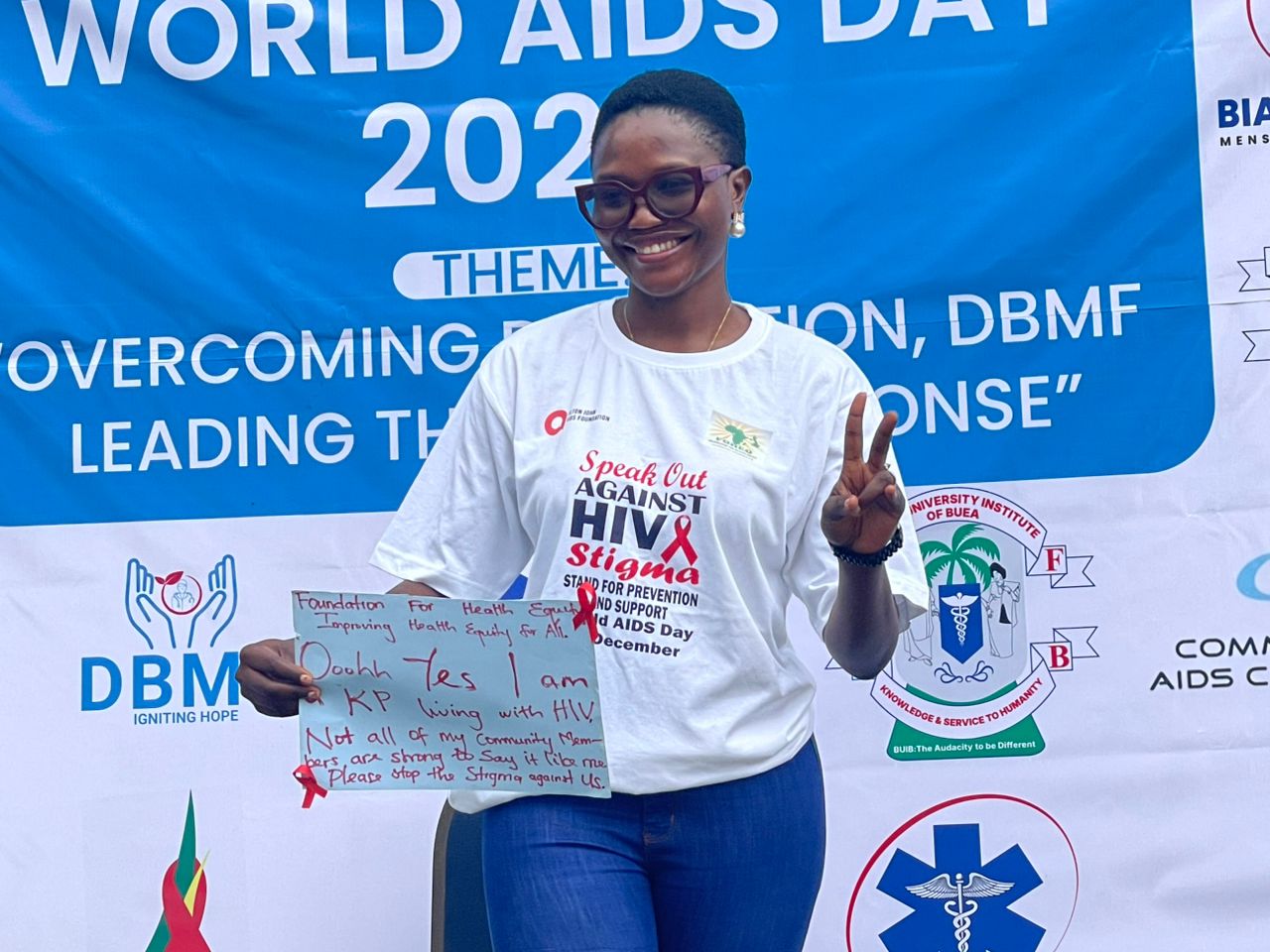
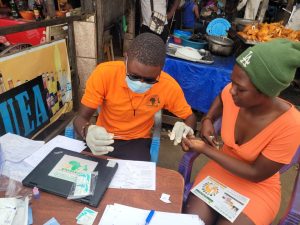
About 70% of new HIV infections globally are amongst, marginalised, vulnerable and key populations. Improving access to HIV prevention, care and treatment is a key aspect of our work in Cameroon.
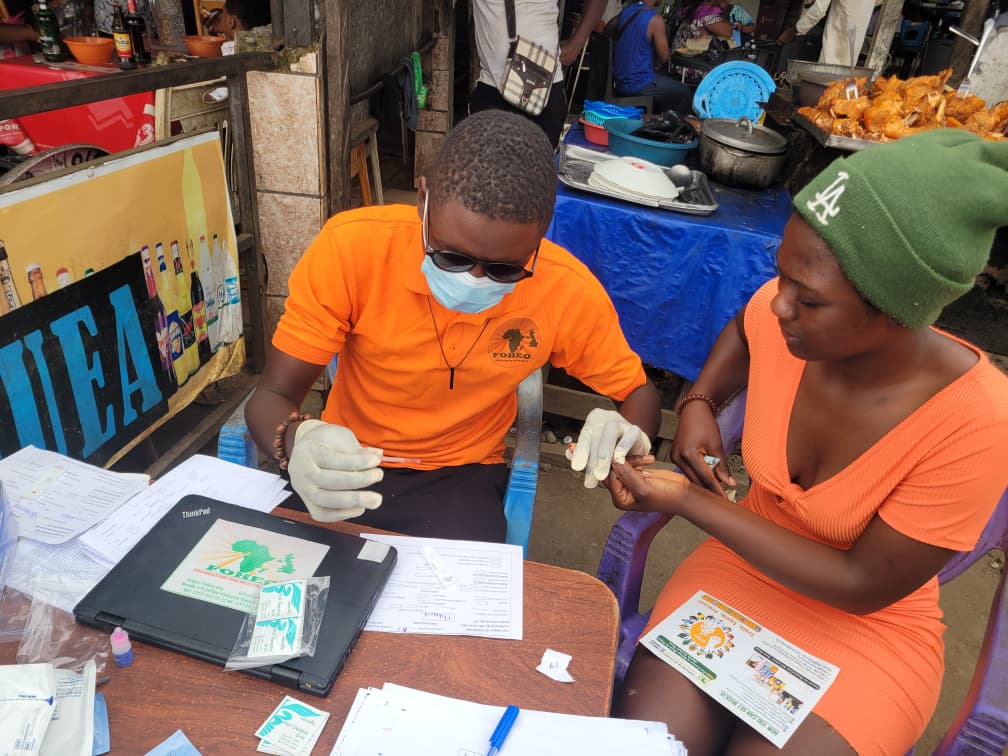
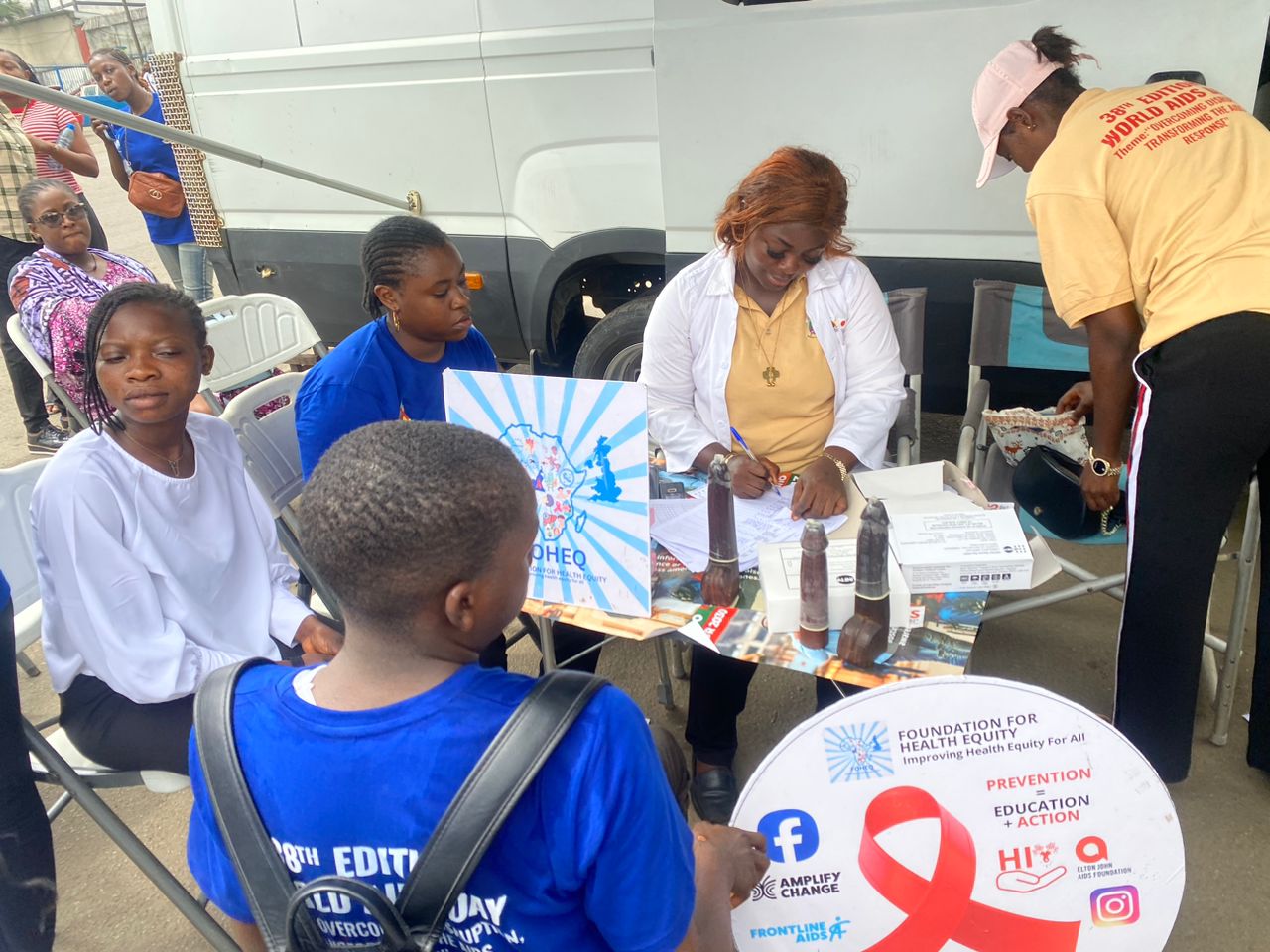
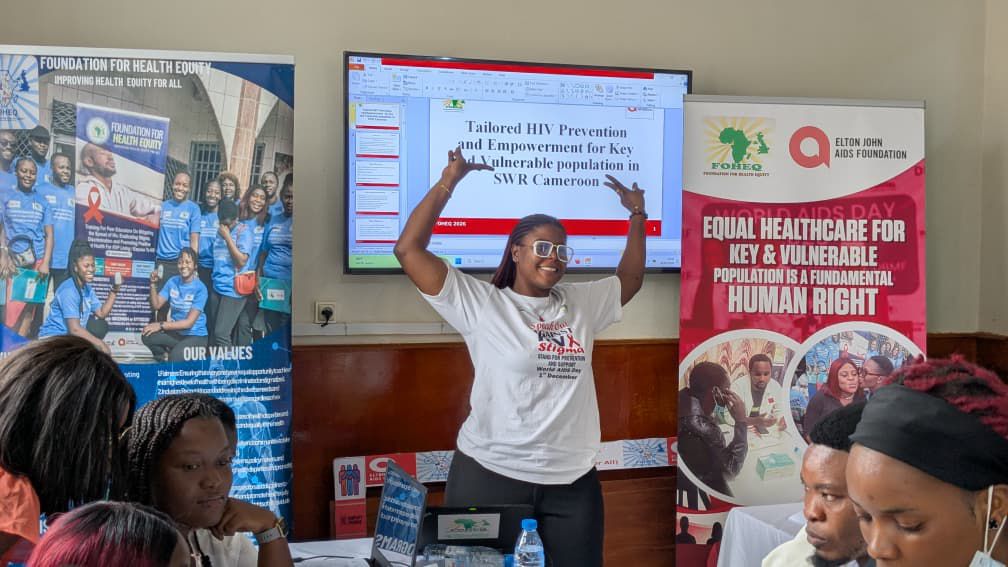
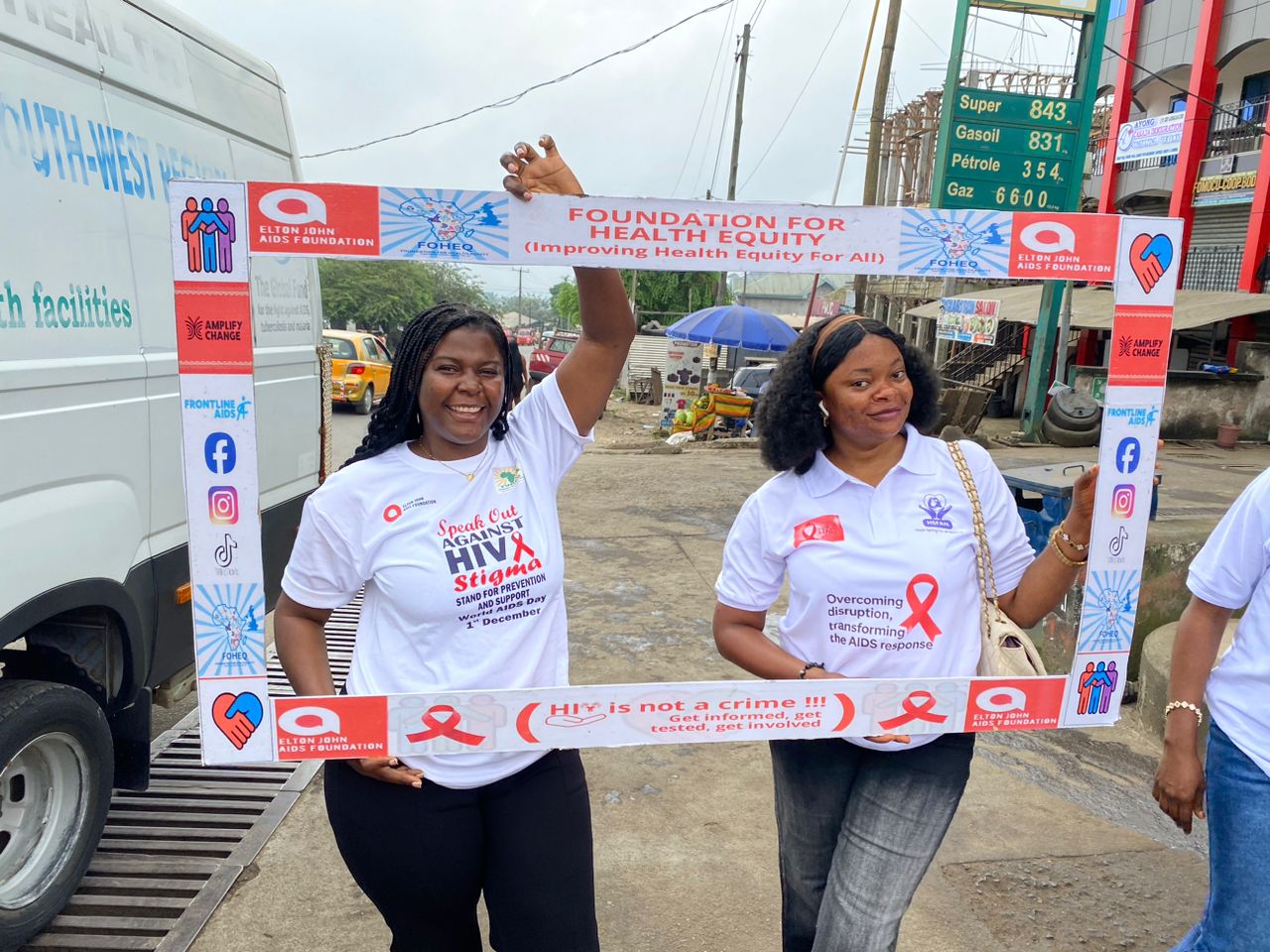
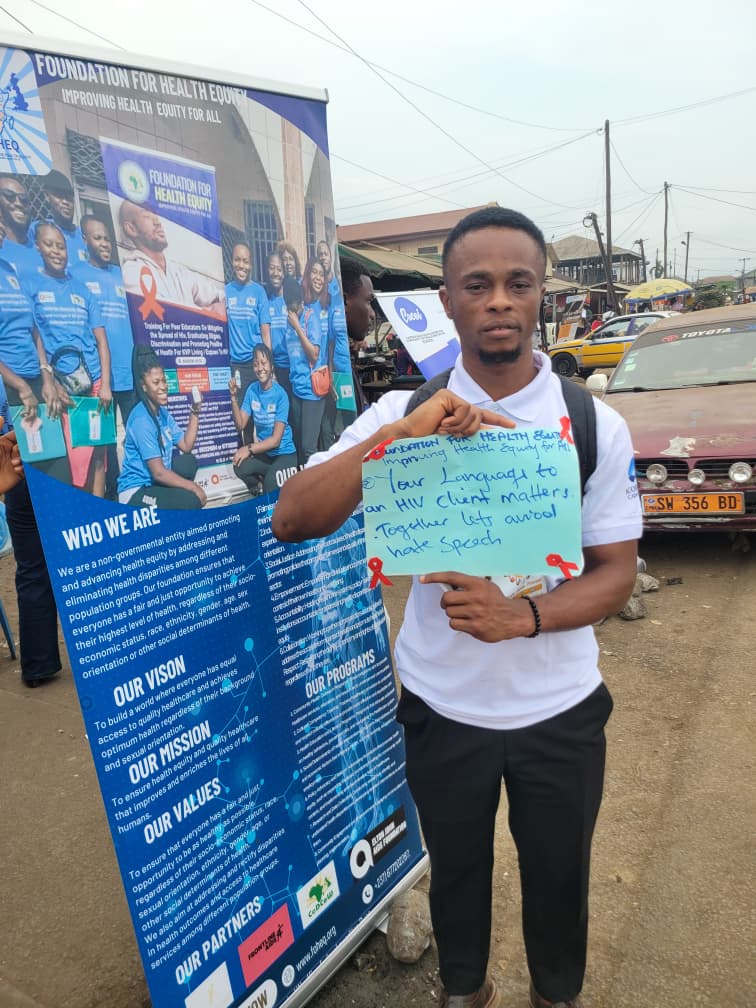
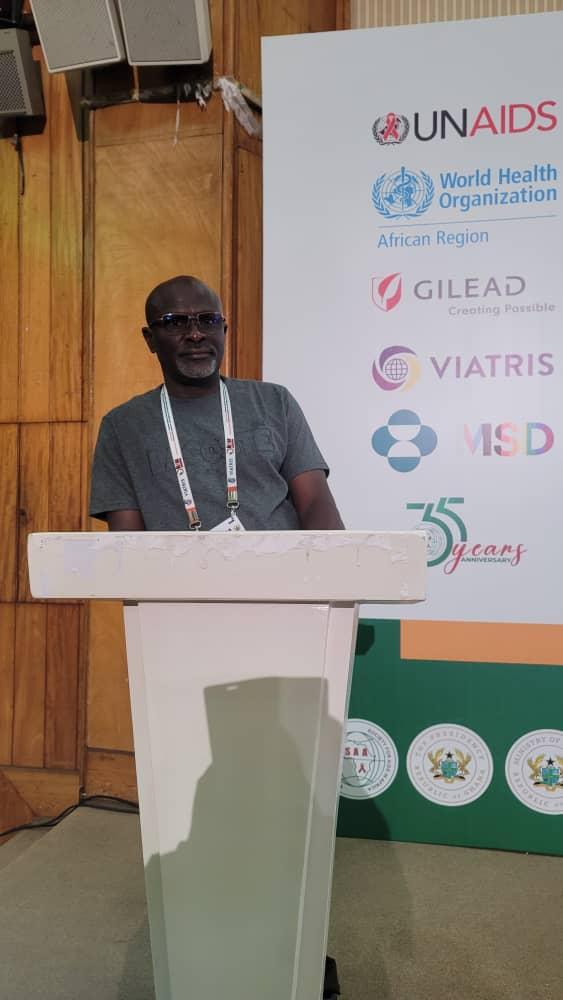
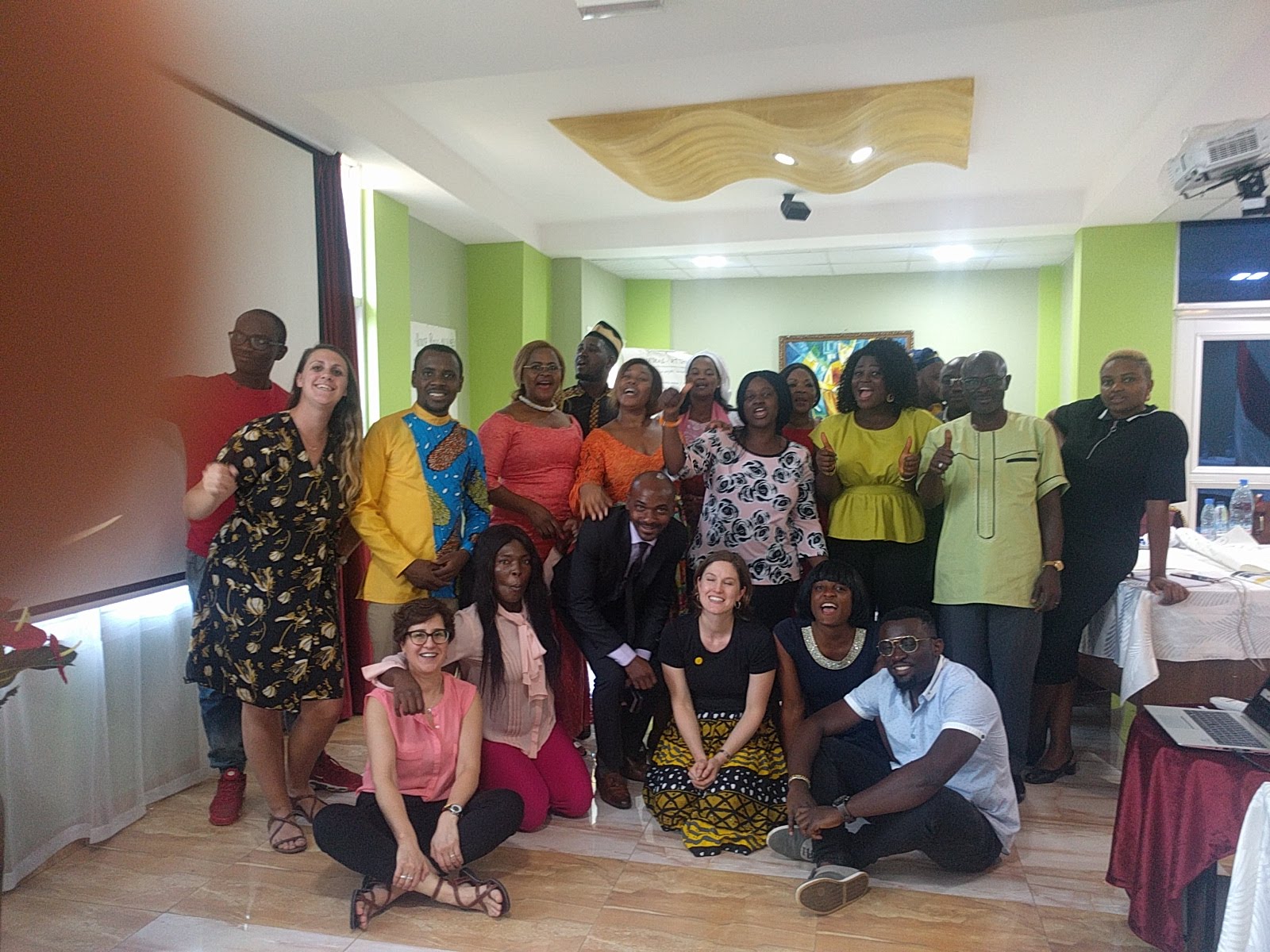
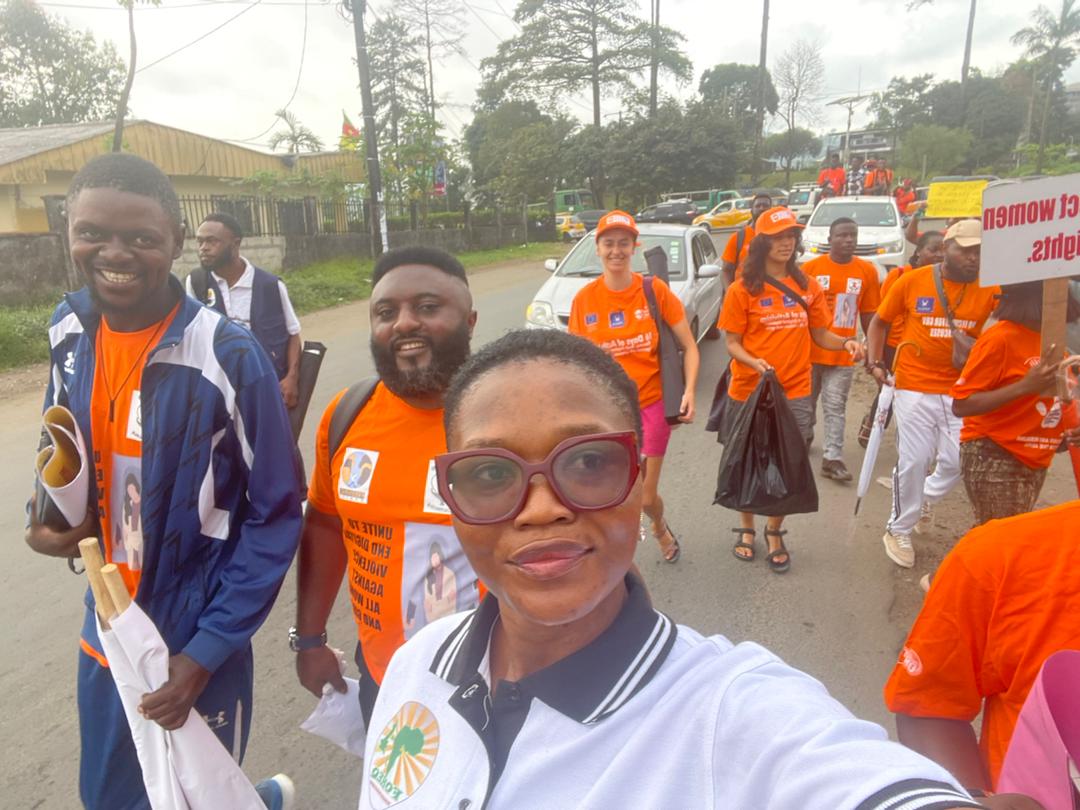
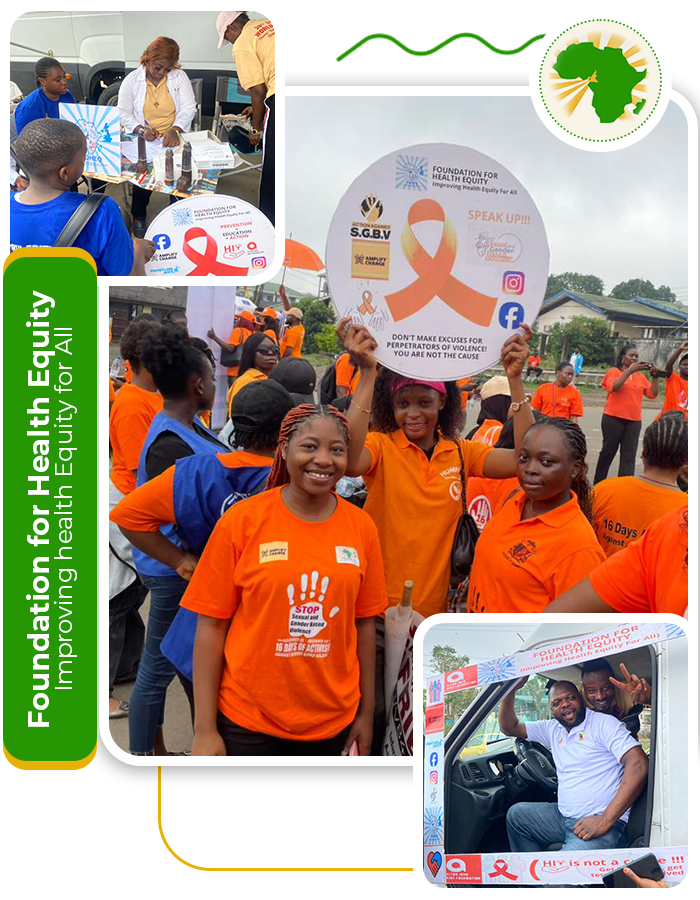
In everything we do, Foundation for Health Equity centers the experiences, perspectives, and priorities of marginalized, vulnerable and key populations most affected by health inequities.
Increasing opportunities for everyone to live the healthiest life possible, no matter who we are, where we live, or sexual orientation.
Community relevant, oriented and tailored solutions as well as the diversity of thought, perspective and experience are imperative to successful outcomes.
Careful and responsible investment in community health – see social enterprises for health
Practicing clear, open communication and ongoing self-evaluation
Recognizing the inherent value in every person
The Foundation for Health Equity aims to create a more inclusive healthcare environment through a set of strategic objectives
We strive to increase access to quality healthcare services for marginalized and vulnerable populations by implementing community outreach and mobile health initiatives.
Our goal is to develop health education programs that empower individuals with essential knowledge about preventive care, sexual and reproductive health, and chronic disease management.
We aim to establish strategic collaborations with local organizations, healthcare providers, and government agencies to strengthen resource sharing and improve health service delivery.
Engaging in advocacy efforts to influence policy changes is crucial for promoting health equity and addressing systemic barriers in the healthcare system.
We provide training and resources to healthcare providers to enhance their understanding of health equity and improve culturally competent care.
Initiating research projects helps us identify health disparities and assess the effectiveness of our health interventions.
We foster community involvement in health initiatives by creating platforms for feedback and participation in decision-making processes.
Implementing a robust monitoring and evaluation framework allows us to assess the impact of our programs and make data-driven improvements.
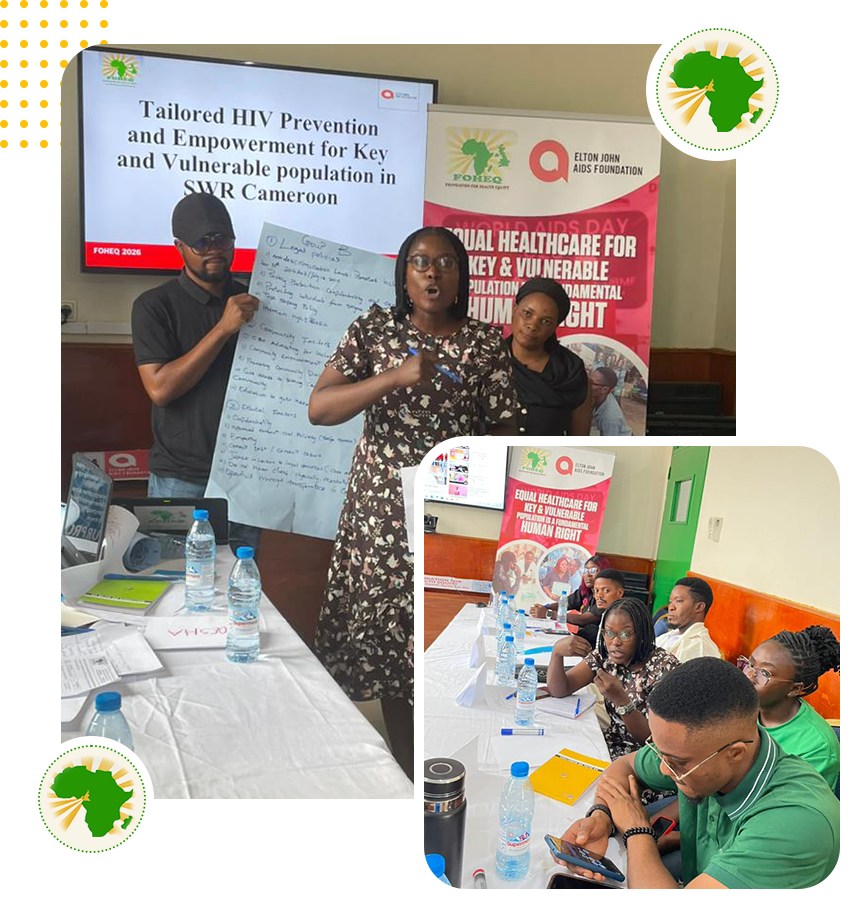
The Foundation for Health Equity is an organization dedicated to improving access to quality healthcare for marginalized and vulnerable populations, aiming to end health inequalities and promote health equity.
You can get involved by volunteering your time, sharing your expertise, or making a financial contribution. Visit our Volunteer page for more details on how you can help.
We offer a variety of programs, including health education, community outreach, training for healthcare providers, and advocacy for policy change focused on health equity.
We serve marginalized, vulnerable, and key populations, ensuring they have access to high-quality healthcare services regardless of their background or sexual orientation.
We measure impact through pre- and post-assessments, follow-up surveys, health outcomes monitoring, and community feedback to continuously improve our initiatives. We believe that, the health our our communities builds the economy.
Yes, we welcome donations to support our programs and initiatives. Contact us for information on how to make a contribution.
For information on accessing our health services, please contact us directly via phone or email. Our team is here to guide you through the process.
We offer training and resources focused on culturally competent care and understanding health equity to improve the quality of services provided to underserved populations.
Take Action Today
Explore the latest stories, insights, and updates from our work advancing health equity in communities.
Health Equity for Marginalised Communities: Access to quality healthcare should never depend on who you are, where you live, or your social status. Yet for...
Read More