Health Equity for Marginalised Communities: Access to quality healthcare should...
Read More
Health Equity for Marginalised Communities: Access to quality healthcare should...
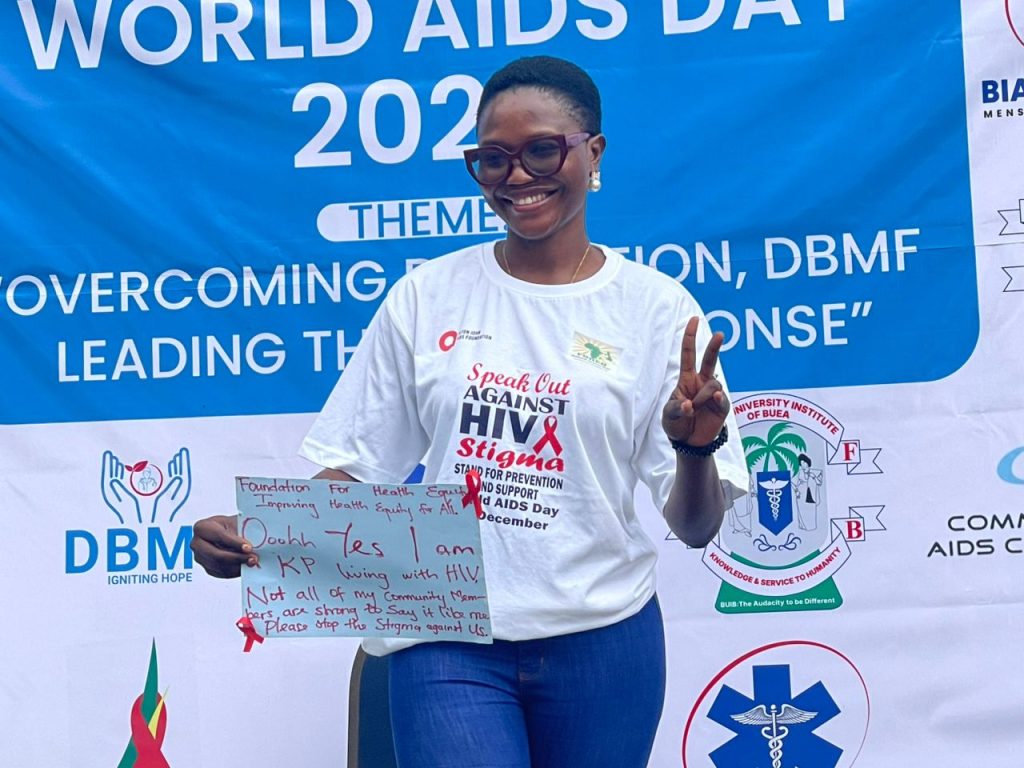
Read MoreFoundation for Health Equity believes in actively working to eliminate the stigma that people living with HIV/AIDS face by educating the community and creating awareness of scientific, inclusive, and evidence-based knowledge surrounding HIV.
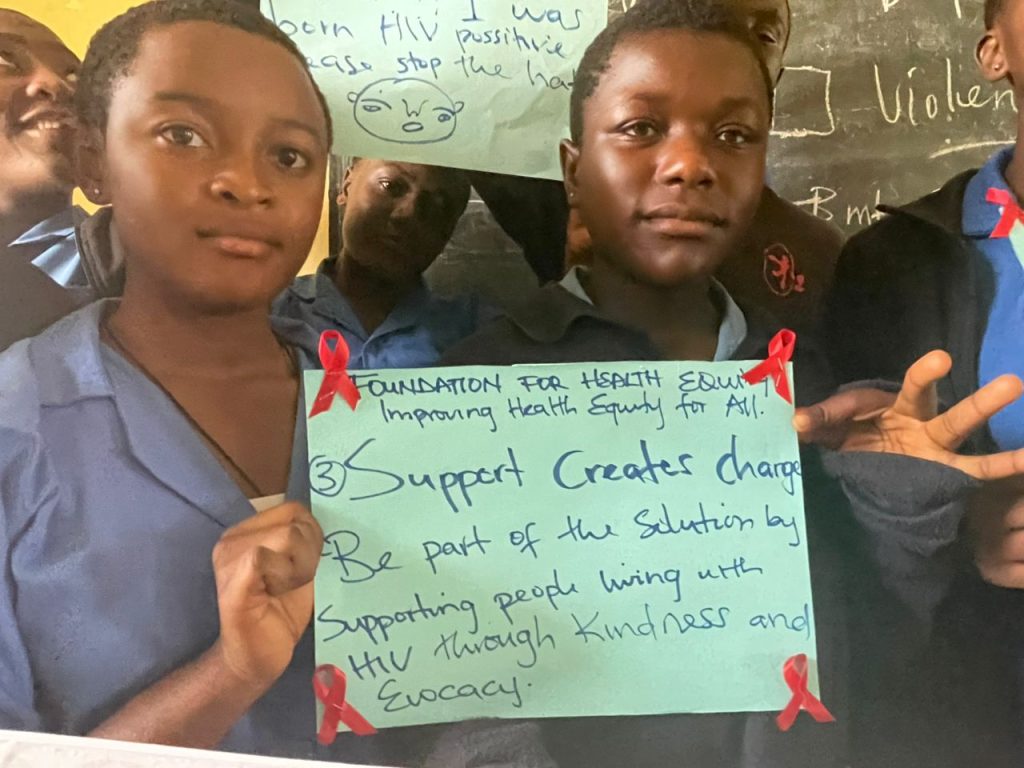
Stigma and discrimination contribute significantly to HIV infections and impact the health, lives and well-being of people living with or at risk of HIV, especially marginalized, vulnerable, and key populations. It also increases the risk of HIV acquisition and progression to AIDS, violence, and marginalization while reducing access to education, employment, and justice.
Intersecting forms of structural and societal stigma and discrimination, including punitive laws, policies and practices, create significant inequalities and prevent marginalised groups from being able to protect their health, safety and well-being (UNAIDS, 2021 data). Stigma and discrimination impact the HIV response, including based on sex, gender identity, sexual orientation, drug use, sex work and HIV status. HIV-related stigma includes a range of stigmatizing experiences, such as avoidance behaviours, gossip, verbal abuse, and social rejection. Discrimination can include the above stigmatizing behaviours that affect the enjoyment of rights, physical abuse, denial of health or social services, denial, loss of employment or even arrest. It can also be enshrined in criminal laws, travel restrictions, mandatory testing, and employment restrictions. People may experience intersectional discrimination or stigma on several grounds, including race, disability, and socioeconomic status.
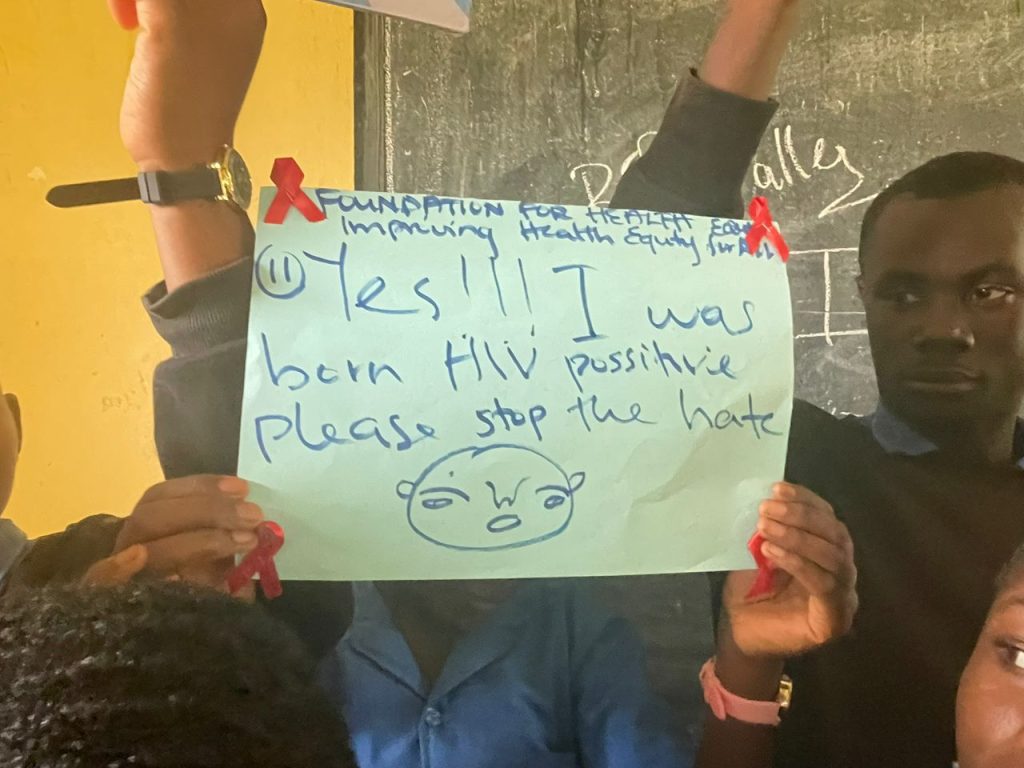
Foundation for Health Equity believes that HIV-related discrimination—and stigma, where it leads to rights violations—is a human rights issue. People have a right to protection from discrimination and to a life of dignity where stigmatizing attitudes do not impede the enjoyment of their other rights, including the rights to health care, work, access to justice, privacy, family, bodily autonomy, and other rights. In Cameroon stigma and discrimination remains a huge stumbling block to HIV access, especially amongst marginalised vulnerable and Key population. Although no official data has been published findings from health providers, rights groups, civil society and key population organisations and communities indicate that stigma and discrimination are on the rise and urgent action is needed. Furthermore, stigma and discrimination continue to be key challenges for people living with HIV/AIDS. In Cameroon for example, a recent study revealed that 34.9% women men and women report discriminatory attitudes.
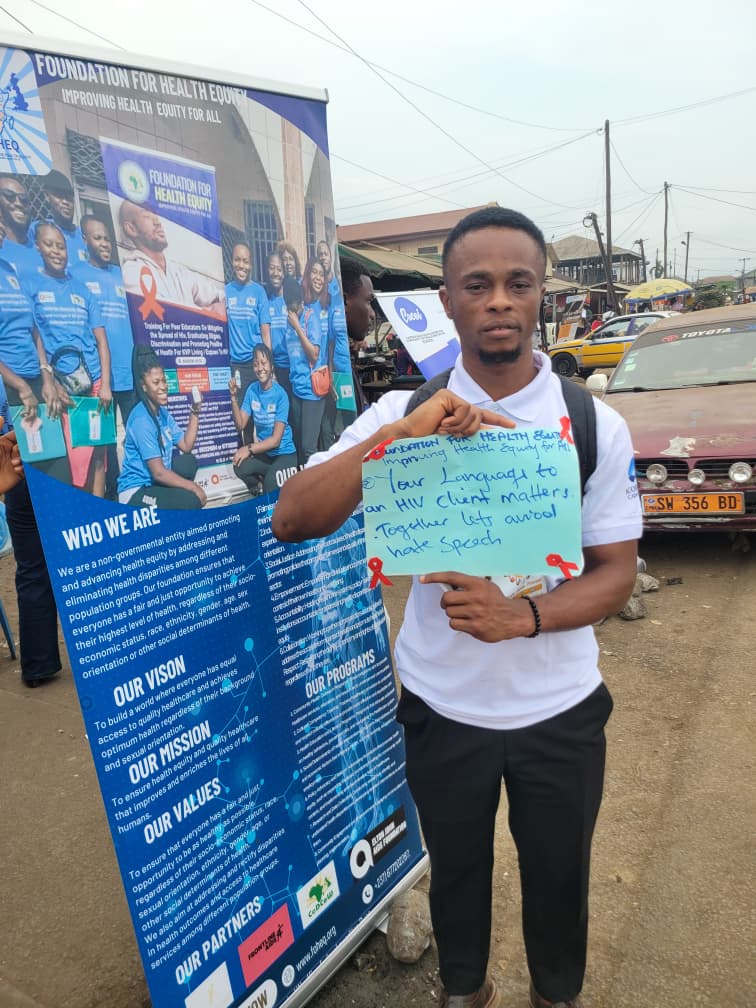
Foundation for Health Equity integrates stigma and discrimination awareness and support in all aspects of its work including: