Health Equity for Marginalised Communities: Access to quality healthcare should...
Read More
Health Equity for Marginalised Communities: Access to quality healthcare should...
Read MoreThe Foundation for Health Cameroon believes that advocacy can play an indispensable role in addressing the inequalities in the healthcare system, especially for the marginalised vulnerable and key populations. Furthermore, policy dialogue and advocacy programs promoting human rights will play an important part in a broad-based stigma and discrimination-reduction strategy, fostering an enabling environment for social change.
All of Our planned activities fall under these three approaches and focus on reducing the stigma associated with HIV and/or high-risk behaviors.
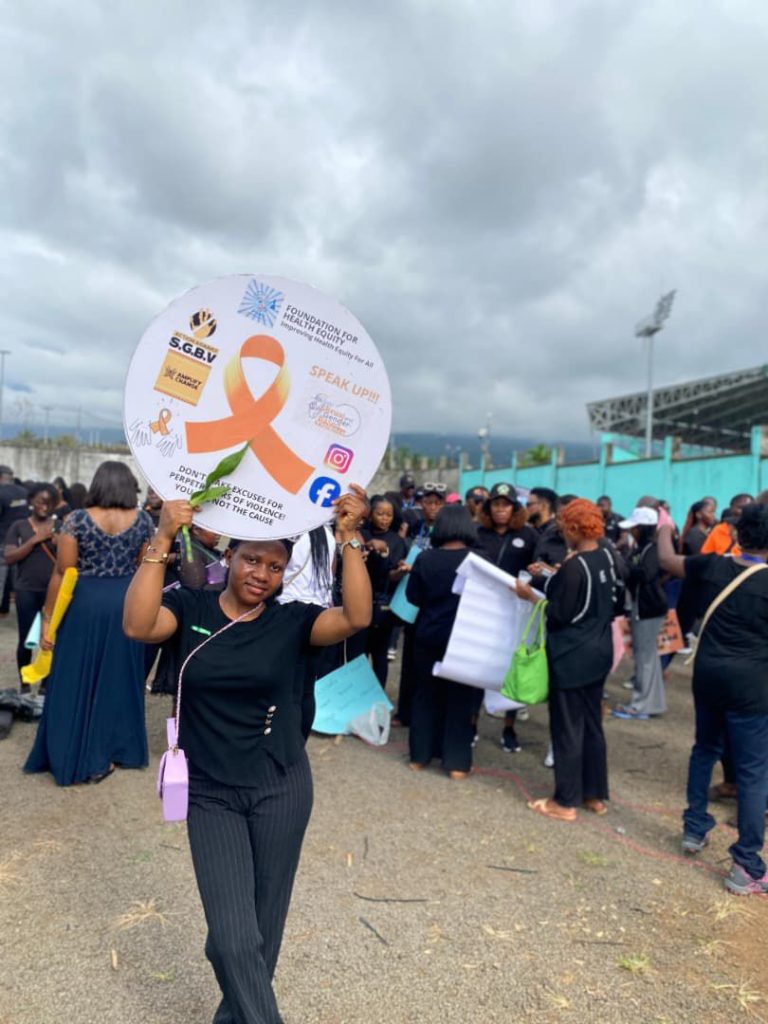
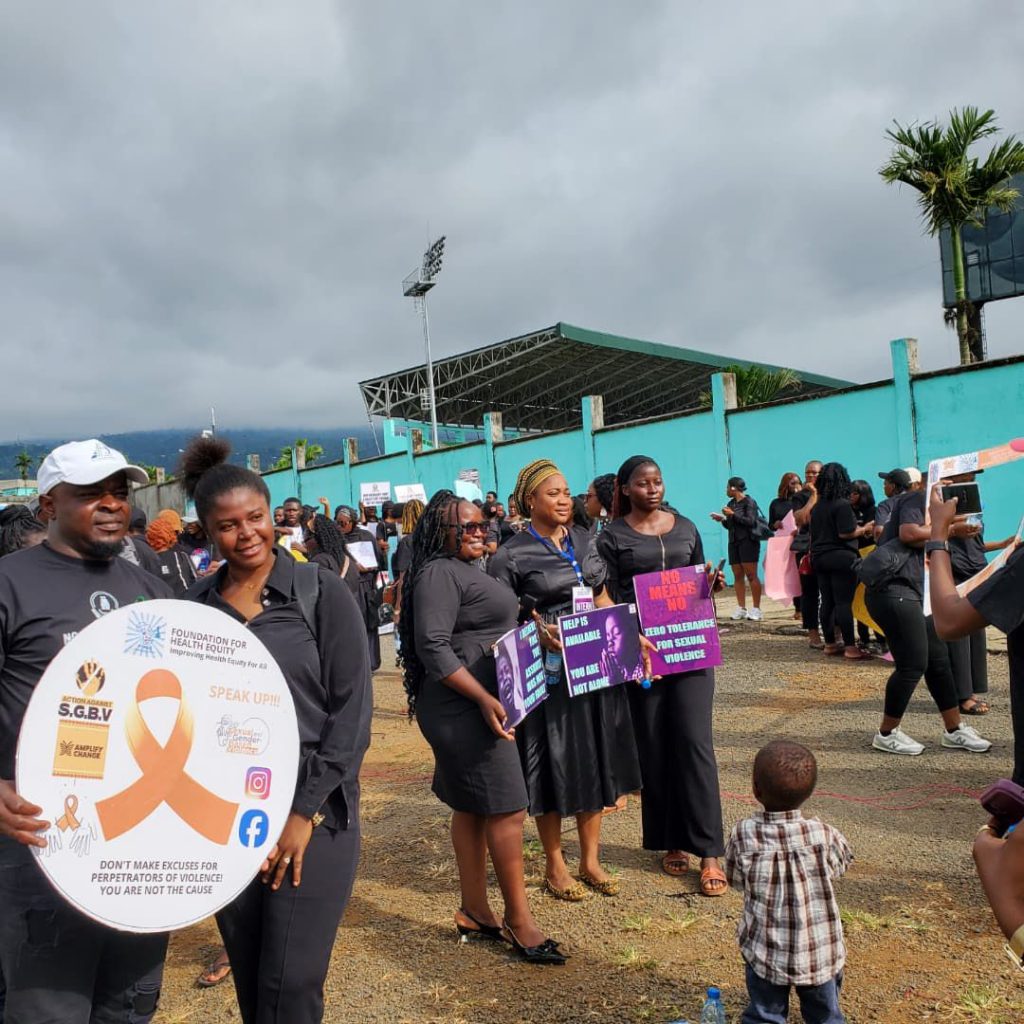
We focus our efforts on critical issues of human rights, health systems and service delivery such as HIV/AIDS, sexual and reproductive health rights, stigma and discrimination, Health finance, and mental health as well as some of the structural and social barriers which affect the vulnerable and less-advantaged populations such as women, sexual minorities, people living with HIV/AIDS, persons with disabilities, internally-displaced persons, refugee populations and victims of gender-based violence and conflict.
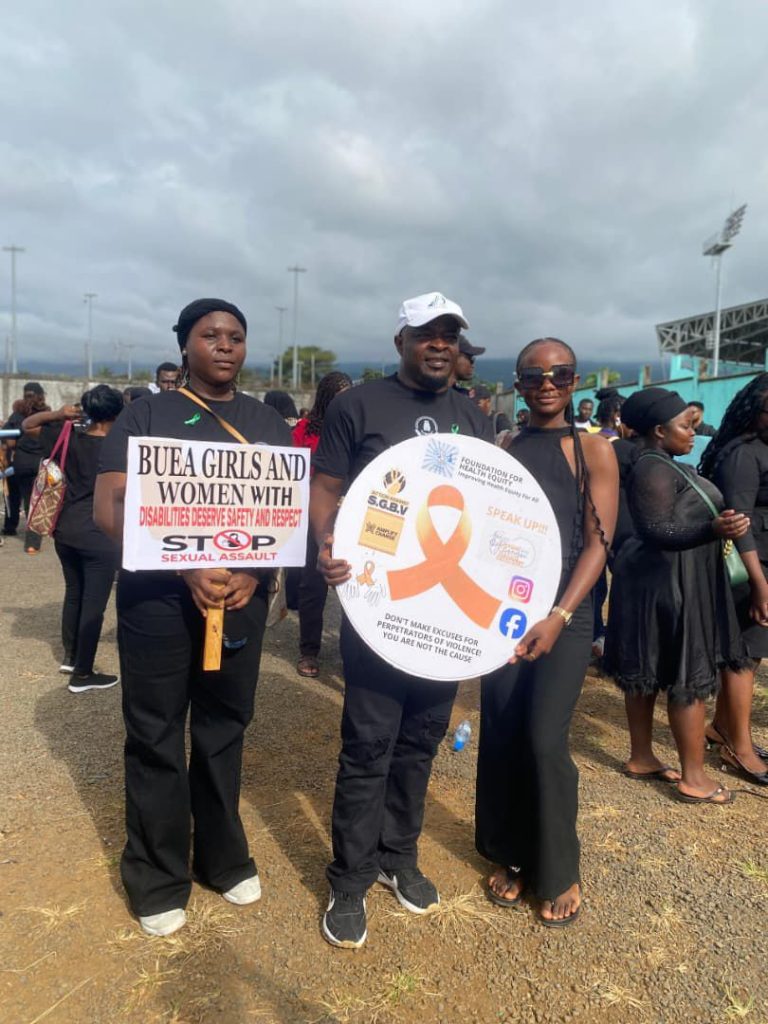
In the last few years, Foundation for Health Equity has implemented a wide range of advocacy programmed at the community and regional levels and worked with national actors and agencies to create a conducive environment to increase access to quality, integrated and comprehensive HIV and SRHR services including SGBV services for target populations. We support community organizations in the implementation of national policies that are relevant to increasing quality and access to HIV and HIV/SGBV/SRHR services. We also engage civil society partnerships in implementing advocacy agendas including voices from communities to inform advocacy agendas.
Our advocacy at the national/regional level focuses on addressing bottlenecks that affect access to health services. Stigma and discrimination towards vulnerable populations continue to be major impediments to HIV and SRHR services access. The result has been high new HIV infections amongst marginalized, vulnerable, and key populations, low HIV status knowledge, poor adherence to care and treatment and low viral suppression.
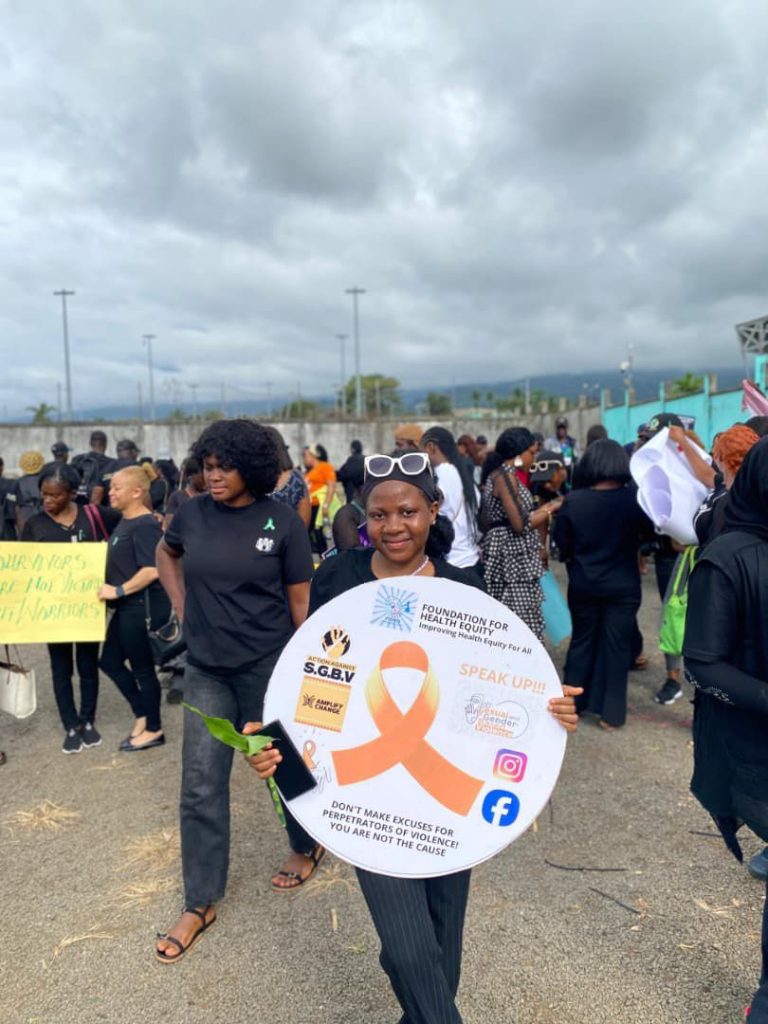
At the community level, we strengthen the policy advocacy capacities of vulnerable individuals and community organizations to make their voices heard by key decision-makers. We undertake training and link vulnerable individuals and organizations to fora where their voices can be heard. The groups are supported to identify gaps and formulate policy agendas reinforced by evidence.
Health Finance: Owing to a high level of underinvestment in health by the government as well as increasing shortfall and unreliability of donor funding Foundation for health Equity believe that foreign aid or one-off donor-funded programmed will not bring about desired health changes and address inherent inequality that disproportionately affects marginalized groups. As such the Foundation will continue to advocate for a sustainable financial model to provide better health services and empower those at the margin of society, see the foundation for health equity social enterprise approach.