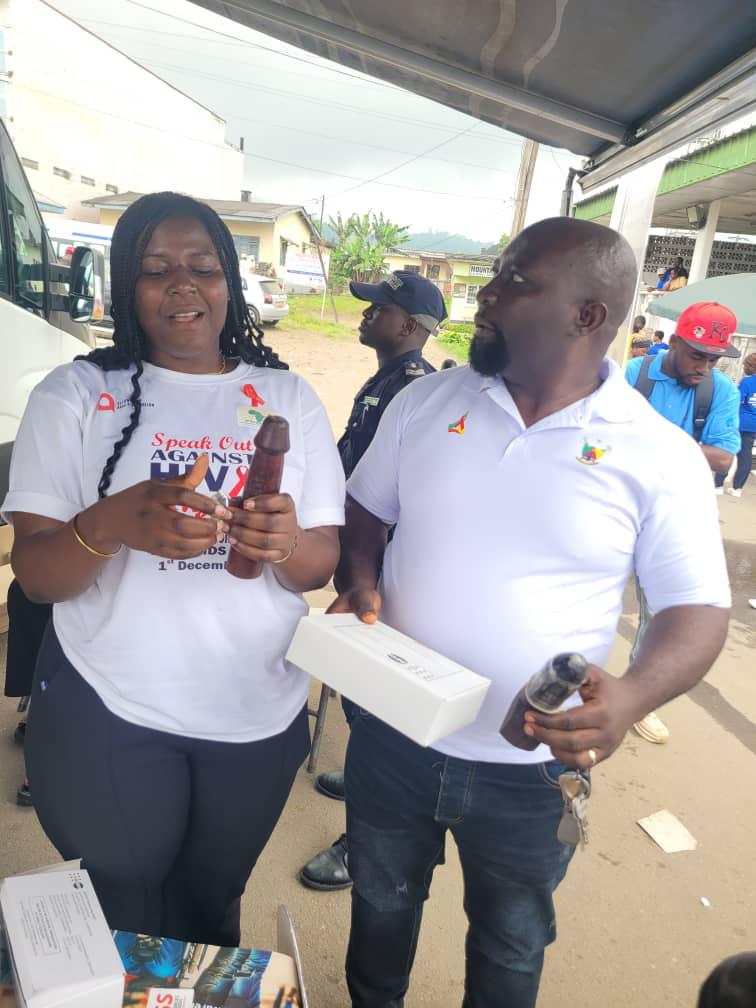
Health Equity for Marginalised Communities: Access to quality healthcare should...
Read More
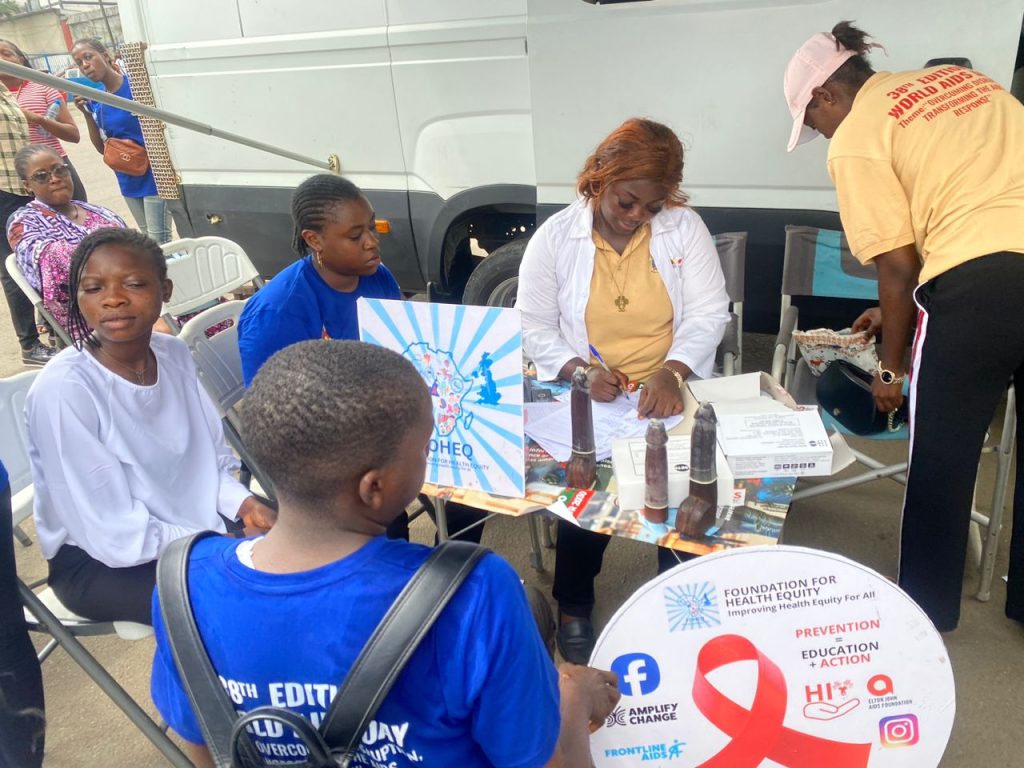
Health Equity for Marginalised Communities: Access to quality healthcare should...
Read MoreFoundation for Health Equity believes everyone has the right to information and services that will help them be sexually healthy.
Our Sexual Health & Wellness (SH&W) Services aim to provide stigma-free, competent information to support your sexual wellness needs and interests by providing comprehensive and confidential sexual health and wellness care including prevention, education, sexual health supplies, and testing for HIV and Hepatitis.
Conflict in some parts of the English-Speaking regions has led to a health system breakdown. Maternal health complications are already a leading cause of death for adolescent girls under 15 years of age in developing countries – and as the situation in these regions continues to deteriorate, it adds another blockade for women trying to make their own reproductive health decisions. For many girls displaced in the conflict, they’re thrust into a situation where so little is within their control – decisions like where they are living, when and what they eat, whether they can stay in school, and more, are often dictated by their circumstances.
The situation has led to an alarming increase in sexual violence, trauma, unwanted pregnancies and unsafe abortions, which account for 25 to 50 per cent of maternal deaths in conflict populations according to UNFPA. Access to family planning in a crisis context saves lives just like food, shelter, clean water, and medical aid, and it’s very feasible to carry out. Yet, family planning and reproductive health services have remained drastically underfunded in crisis regions. Young girls are left without a choice.
Foundation for Health Equity believes that everyone should have equal access to health and means to improve their lives irrespectively where they live. Our focus is to support young, vulnerable and key populations who faced structural, legal and social barriers to accessing sexual and reproductive health services and are disproportionately impacted by services available in their community. Our priority includes the: